

Divorce Lawyer in Pakistan | Good Divorce Lawyer’s Qualities & Responsibilities | Divorce & Family Lawyers
Divorce Lawyer in Pakistan: Qualities and Responsibilities of a Good Divorce Lawyer in Pakistan

Assess Experience, Advice and Accountability
A divorce lawyer should identify the correct legal route, explain the evidence required and keep the client informed about decisions and deadlines. Selection should be based on relevant family-law experience, professional standing, communication and a clear scope of work. A promise of guaranteed success is not a substitute for a reasoned assessment of the marriage record and disputed facts.
Command over the Family and Divorce Law
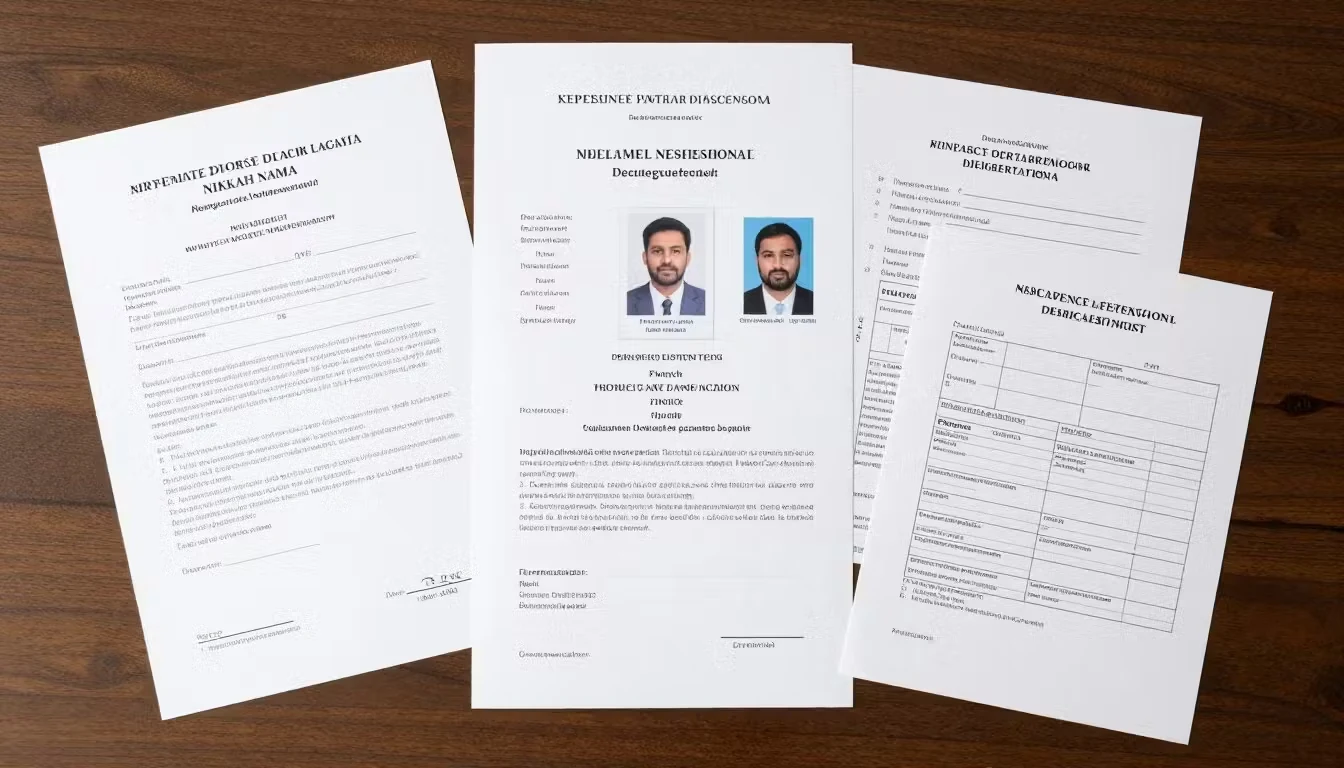
Ask the lawyer to distinguish the proposed dissolution route from related claims for dower, maintenance, custody or belongings. The adviser should identify the relevant forum and explain which issues can be addressed together and which require separate proceedings. Advice must be tied to the actual documents and applicable law.
Prepare questions about jurisdiction, service, evidence and the next procedural step. A useful consultation should leave you able to identify what information is missing and why it matters. Ask for clarification where a recommendation depends on a disputed date, payment or contractual term.
Experience in Divorce/Khula Cases
Ask about experience with the type of matter involved: a notice process, judicial khula, contested dissolution, child-related claims or cross-border documentation. Relevant experience includes knowing how to obtain records, address service difficulties and follow up on court directions. Previous results do not guarantee the outcome of another case.
Confirm who will actually prepare documents and appear at hearings. If another advocate or colleague will handle part of the work, ask how instructions and updates will be coordinated. The engagement should identify the responsible contact and the agreed method of communication.
Ability To Offer Types of Assistance During Divorce/Khula Process
A good divorce lawyer should be able to offer you the following types of assistance:
- Legal assistance, which may include drafting court documents, representing you in court and negotiating with your spouse.
- Financial assistance, including help with determining how to divide marital property and making sure that support payments are paid on time.
- Emotional support during this difficult time in your life by helping you understand the process and offering advice when appropriate.
Capacity To Learn About Your Divorce/Khula Case
You will also want to ensure that your lawyer is well-acquainted with the divorce process in Pakistan. In this regard, it can be helpful to ask them about their approach to handling cases like yours and how they intend to go about working on them. For example, some lawyers have a tendency to only deal with matters that pertain directly back to their previous experience. As such, they may not have much experience or knowledge about the other aspects of your case (such as custody issues).
If your lawyer does not have much experience dealing with divorces involving children or property divisions, then you might want someone else who does specialize in these sorts of cases. This is especially true if there are any complications surrounding one or both parties involved being foreign citizens living abroad—for instance if one spouse has been living abroad for several years but now wants an annulment/divorce from his/her Pakistani spouse because he/she already has another partner whom he/she lives with currently or plans on marrying soon—and therefore needs assistance navigating through unfamiliar legal territory while still maintaining quality representation during international proceedings.
Consistently come to Court on Schedule
Effective case management requires a calendar of hearings, filing requirements and document requests. Confirm whether personal attendance is needed and bring the material counsel identifies. If attendance becomes impossible, notify the lawyer promptly so that the appropriate procedural request can be considered.
Ask for an update after each material hearing, including any order made, the next date and the action required from you. Keep copies of orders and filed papers. A missed appointment or unanswered document request should be addressed directly rather than allowed to create avoidable uncertainty.
Speak well in Court while Pleading For Divorce
- Present the facts accurately and distinguish documents from assumptions.
- Identify the relief sought and the legal basis for it.
- Address the court respectfully and comply with procedural directions.
- Explain disputed evidence without inventing facts or coaching a false account.
- Communicate the court’s directions to the client in clear language.
Treat you with Deference and Regard
A good divorce lawyer will treat you with the respect and dignity that you deserve. It is important that your lawyer understands your situation, and can offer advice based on their knowledge of what has worked for other clients in similar situations. The best way to find a good divorce lawyer is by asking questions about how they will represent you, how much experience they have dealing with similar cases, and what their fees are going to be.
When we refer to treating people with deference, we mean treating them with respect as well as being sensitive towards their needs without going overboard or being too overbearing in our manner of speech or behavior toward them. This means accepting responsibility for mistakes made on our part without making excuses or blaming others unnecessarily which may lead to an unfavorable atmosphere between both parties involved into dispute resolution proceedings.”
A Divorce Lawyer should be Focused on You, Your Needs, and Winning.
A lawyer should give a realistic assessment of strengths, weaknesses and available options. The client should understand the purpose and potential consequences of a proposed filing, settlement or concession. Decisions about important instructions should be recorded clearly. Professional attention includes explaining uncertainty and advising when specialist assistance is needed.
Agree On Fees and The Scope of Work
Request a written description of the work included in the engagement. Distinguish consultation, drafting, filing, appearances, negotiation, certificate assistance and enforcement. Ask whether an appeal or a separate custody or property dispute would require a new arrangement. Separate professional charges from official fees, copies, travel, translation and delivery costs.
Protect Documents and Instructions
Keep a complete copy of material supplied to counsel. Obtain an acknowledgment for originals and agree how they will be returned. Use a secure communication channel for identity and family records. Correct an inaccurate instruction promptly and retain the corrected version. Ask who may access the file within the legal team.
Review Settlement Terms Carefully
A settlement should identify the parties, obligations, payment dates and matters left unresolved. Ask how compliance will be recorded and which legal or administrative steps remain. Property ownership and financial claims require individual assessment; divorce does not establish a universal entitlement to equal division of every asset.
Related guidance covers preparing divorce documents and child custody representation.
Choosing Counsel: Practical Questions
How Can I Assess A Lawyer’s Relevant Experience?
Ask about work involving the same legal route and practical issues, such as service abroad, dower or child-related claims. Confirm who will handle the matter. Experience should support a clear explanation of the process rather than a promise of success.
Should I Verify Professional Standing?
Ask for the advocate’s enrollment particulars and verify them through the relevant Bar Council’s available official process. Confirm the identity and office of the person you are instructing before paying fees or handing over original documents.
What Should A Written Engagement Cover?
It should identify the work included, professional charges, anticipated expenses, payment arrangements and responsible contact. Clarify whether additional proceedings, appeals, enforcement or certificate applications are outside the agreed scope.
Can A Lawyer Guarantee The Result?
A lawyer can explain the legal position, evidence and available options, but the result depends on facts, law and the competent authority. Treat guaranteed outcomes or fixed completion promises with caution and request a reasoned assessment.
Which Papers Should I Bring To The First Meeting?
Bring the Nikahnama, identity documents, notices, orders, agreements and relevant payment records. Add a short chronology and a list of questions. Identify any missing original or disputed entry so the lawyer can advise on obtaining or correcting the record.
Will One Engagement Include Every Family Dispute?
Not necessarily. Dissolution, custody, maintenance, property and enforcement may involve separate work or proceedings. Ask which claims the engagement covers and how additional instructions and fees will be agreed.
How Often Should I Receive Updates?
Agree on a practical communication arrangement and request an update after material hearings or decisions. Each update should identify the next step, any deadline and information needed from you. Keep copies of important correspondence.
Should I Hand Over Original Documents?
Supply originals only where needed and obtain an acknowledgment describing them. Keep copies and agree on secure storage and return. Ask whether a certified copy will satisfy the particular filing or verification requirement.
Can The Same Lawyer Advise Both Spouses?
Ask whom the lawyer represents and whether the proposed role creates a conflict. Each spouse should understand the adviser’s role and have an opportunity to obtain independent advice before accepting settlement terms or surrendering a claim.
How Are Overseas Instructions Managed?
Clarify identification, authorization, document authentication and communication arrangements at the outset. Ask whether personal evidence or attendance may be required. Pakistani representation does not automatically cover advice about recognition in another country.
What If I Disagree With A Proposed Settlement?
Request an explanation of its terms and consequences and state your instructions clearly. Do not sign an acknowledgment, waiver or incomplete document that you do not understand. Obtain independent advice where appropriate before committing to the terms.
What Should I Receive When The Engagement Ends?
Request the relevant orders, filed documents, original records held for you, an account of fees and a clear list of any outstanding steps. Confirm upcoming deadlines and arrangements for any further representation before assuming the matter is fully concluded.
Call us: 0333-1127830
Call us: 0333-1127831
Call us: 0333-1127834
Call us: 0333-1127835
info@divorce.com.pk