

Islamic Divorce | Civil Divorce Legal Process in Pakistan
Islamic Divorce and Civil Procedure In Pakistan
For Muslim marriages, religious principles and statutory procedures need to be considered together. They are not two interchangeable systems from which a person can freely choose. The appropriate route depends on the marriage, facts and relief sought.
A Case-specific Legal Assessment
Talaq, judicial khula, dissolution on statutory grounds and mutual arrangements have different requirements and consequences. Other personal-law frameworks require separate assessment. A lawyer should identify the governing framework before drafting a notice or petition.
Preparing for Advice
Provide the marriage record, identity information and any earlier notices or orders. Explain your objectives and concerns about children, payments or belongings. Do not equate dower with dowry articles or assume that every wife seeking dissolution must return the same property.
Legal Process of Civil Divorce In Pakistan
The correct process must be identified before filing. Some routes involve a court claim, while other steps involve notice or administrative records. A generic petition is not appropriate for every marriage or situation.
Grounds and Supporting Facts
Ask counsel to explain the particular legal basis and evidence for the relief proposed. Avoid a combined list of grounds drawn from different personal laws. A truthful factual timeline helps distinguish what is established, disputed or still unknown.
Managing Social Pressure
Family and social expectations can make the decision difficult. Obtain advice in a private setting and explain any threat or pressure affecting your instructions. A legal strategy should reflect your actual circumstances and safety needs.
Impact of Divorce On Children and Families
The impact of divorce on children and families can be profound and multifaceted. Children often experience emotional turmoil when their parents divorce, such as confusion, sadness, and anxiety. They may struggle with adjusting to new living arrangements and changes in their family dynamics, leading to potential behavioral and academic challenges.
Comparing Islamic Divorce and Civil Divorce
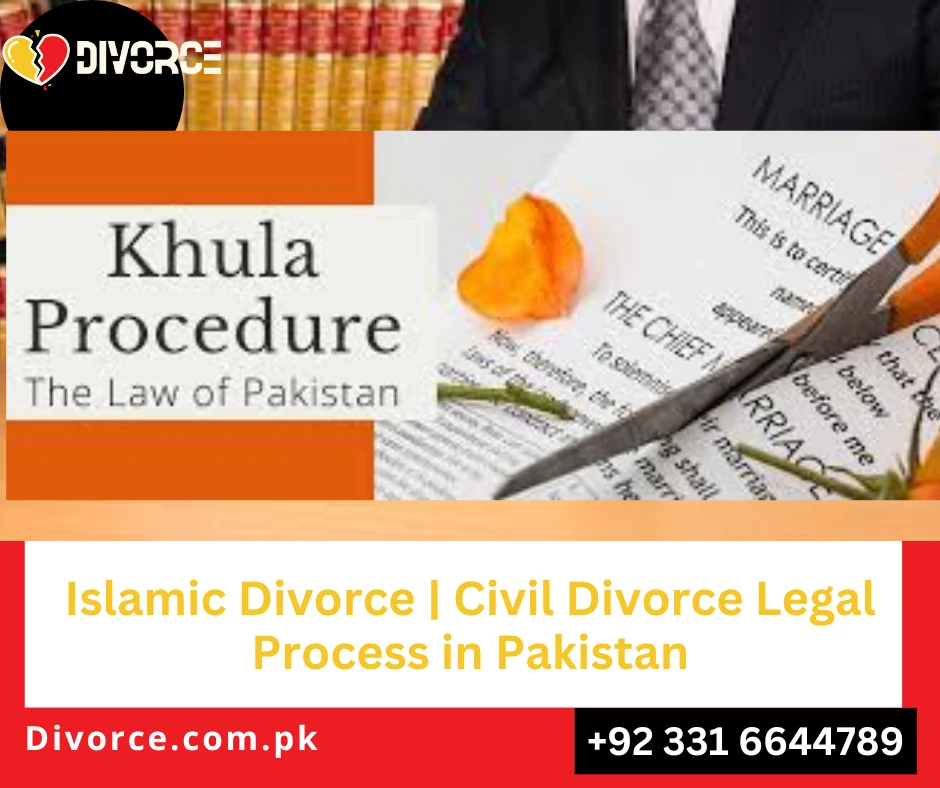
Comparing Islamic and civil divorces reveals two distinct legal pathways for dissolving marriages, each with its principles and procedures. Islamic divorce, rooted in Sharia law, focuses on religious obligations and rituals, allowing spouses to end their marriage through methods like talaq (pronouncement of divorce) and khula (mutual consent).On the other hand, civil divorce operates under a secular legal framework and is governed by legislation such as the Family Courts Act in Pakistan. It covers a broader range of issues, including child custody, alimony, and property division, and follows a more standardized legal process.
Influence of Islam On Divorce Laws In Pakistan
Islam has a significant influence on divorce laws in Pakistan. The legal framework is based on Islamic principles, such as the requirement for husband-initiated divorces and the provision of financial support for divorced women. This intersection of religion and law shapes the process and criteria for divorce in the country.
Traditional and Religious Perspectives On Divorce
Divorce is viewed differently in traditional and religious perspectives, with cultural norms often influencing attitudes. While some traditions may discourage divorce, spiritual teachings provide guidelines for when it is acceptable. Understanding these perspectives can shed light on the complex nature of divorce in Pakistan. Sometimes, spiritual teachings also guide handling divorce’s emotional and financial implications. Understanding the traditional and religious perspectives on divorce can help individuals make informed decisions about what is best for their situation.
Role of Legal Professionals In Divorce Cases
Legal professionals play a crucial role in divorce cases. They provide guidance, support, and expertise throughout the process, helping individuals navigate complex legal procedures. Lawyers are essential allies during this challenging time, from filing paperwork to representing clients in court.
Resources for Individuals Going Through Divorce In Pakistan
Individuals going through divorce in Pakistan can access various resources to help them navigate this challenging life transition. Legal aid organizations and family law attorneys specialize in divorce cases and provide legal guidance on child custody, property division, and financial settlements.
Divorce In Pakistan: A Complex Interplay of Laws
Divorce in Pakistan is a complex interplay of laws, with Islamic and civil criteria determining the grounds for separation. Navigating these legal intricacies can be challenging, requiring the expertise of legal professionals to ensure a fair and just outcome.
Grounds for Divorce In Pakistan: Islamic and Civil Criteria
Divorce grounds in Pakistan encompass Islamic and civil criteria, providing legal avenues for dissolving marriages. Under Islamic law, valid reasons for divorce, known as talaq, include cruelty, desertion, and irreconcilable differences, and a husband can initiate this process. Alternatively, a wife can seek a khula if she desires to dissolve the marriage with her husband’s consent or without it, with certain conditions.
Initiating Divorce: Rights and Responsibilities
Initiating divorce is a significant step in a person’s life, and it comes with a set of rights and responsibilities in most legal systems, including Pakistan. The right to initiate divorce is not limited to any gender; both husbands and wives have the legal right to seek a divorce under various circumstances. However, this right comes with the responsibility to follow the prescribed legal procedures, which often involve notifying the spouse, seeking mediation or counseling, and adhering to waiting periods, especially in Islamic divorce.
Extrajudicial Divorce: Implications and Challenges
Extrajudicial divorce, also known as Khula or Talaq-e-Tafweez, allows spouses to dissolve their marriage outside the court system. While it offers a more expedited process, potential legal complexities and issues surround property division and financial settlements. The lack of formal documentation can challenge the effective enforcement of rights and the resolution of disputes.
Role of Lawyers In Divorce Cases: Pakistan’s Context
Lawyers play a crucial role in divorce cases, providing legal guidance and representation to individuals navigating the complex terrain of family law. Their expertise ensures that clients’ rights are protected and their interests are advocated for throughout the divorce process.
Mediation and Arbitration In Divorce Disputes
Mediation and arbitration offer alternative methods for resolving divorce disputes. These processes encourage open communication and negotiation, helping couples find mutually satisfactory solutions. By avoiding lengthy court battles, mediation and arbitration can save time, money, and emotional distress during a challenging period of life.
Annulment and The Appropriate Relief
Nullity, dissolution and separation are distinct concepts. Their availability depends on the governing law and facts. A lawyer should explain the consequences before you adopt a particular route or sign a document describing your marital status.
Property and Financial Claims
Identify ownership documents, payment records, dower terms, belongings and existing orders separately. Do not assume that divorce automatically divides all property equally or produces a continuing maintenance award in every case. Each claimed entitlement needs its own legal and factual assessment.
Documenting A Proposed Settlement
List amounts, items, deadlines and responsibility for compliance clearly. Record unresolved claims expressly and obtain advice about any waiver. Keep proof of payment or delivery and confirm whether additional proceedings or documents are necessary.
International Aspects of Divorce Cases In Pakistan
Things can get complex regarding divorce cases from an international perspective. Factors like jurisdiction, recognition of foreign divorces, and enforcement of decrees across borders add a layer of intricacy to the process. Each country has laws regarding divorce, making it crucial for individuals navigating cross-border divorces to seek legal advice that is well-versed in international family law matters. Understanding the legal framework and potential challenges involved can help ensure a smoother resolution for those facing international aspects in their divorce case.
Enforcing Divorce Decrees Across Borders
Enforcing divorce decrees across borders can be a complex and challenging process. Different countries have varying laws and regulations, making it necessary to navigate legal systems and ensure compliance to obtain recognition of the divorce decree abroad.
Property and Inheritance Require Separate Analysis
Divorce does not create an automatic equal division of every asset. Identify ownership, dower, maintenance, belongings, contractual obligations and existing orders separately. Inheritance depends on the applicable succession rules and the legally relevant circumstances at death. A disputed marital status or chronology requires individual review.
Prepare Evidence of The Claim
Collect title documents, bank records lawfully available to you, receipts, the Nikahnama and relevant agreements. Distinguish property owned jointly from property claimed on another basis. Ask counsel which forum can decide each issue and whether separate proceedings are required.
Divorce and Inheritance Laws: A Complex Intersection
Divorce and inheritance laws in Pakistan can create a complex intersection. Understanding how these two legal aspects intertwine is crucial for individuals going through divorce proceedings, as it directly impacts their financial rights and entitlements after the dissolution of marriage. The intricate interplay between divorce and inheritance laws adds a layer of complexity to an already emotionally challenging process. It is essential to seek legal guidance to navigate this complex terrain effectively.
The Intersection of Divorce and Sharia Law
Sharia law plays a significant role in determining Muslim couples’ legal rights and obligations in the context of divorce. It provides guidelines on grounds for divorce, property division, alimony, and custody arrangements. The intersection between divorce and Sharia law adds another layer of complexity to the legal landscape.
Divorce and Custody Battles: Legal Considerations
Divorce can be emotionally challenging, especially when it involves custody battles. In Pakistan, legal considerations are crucial in determining child custody arrangements. Understanding the laws and seeking professional guidance is essential to protect the best interests of the children involved.
Legal Aid for Divorce Cases In Pakistan
Legal aid plays a crucial role in divorce cases in Pakistan. It assists individuals who lack the financial means to hire a private lawyer. Legal aid ensures everyone can access justice and navigate the complex divorce process effectively.
Ensuring Access To Justice: The Role of Legal Aid In Divorce Cases In Pakistan
Legal aid for divorce cases in Pakistan is critical in ensuring that individuals, particularly those facing financial constraints, have access to justice during an emotionally and financially draining process. Pakistan’s legal system recognizes the importance of assisting those in need, particularly in matters as sensitive as divorce. Legal aid programs aim to bridge the gap between individuals seeking a divorce and the legal expertise required to navigate the complexities of family law.
Balancing The Scales: Ensuring Equal Opportunity In Divorce Cases Through Legal Aid
One of the primary objectives of legal aid in divorce cases is to ensure that both parties have an equal opportunity to present their case and protect their rights. This is especially crucial when one party may be disadvantaged due to limited financial resources or legal knowledge. Legal aid organizations in Pakistan work to level the playing field by offering free or subsidized legal services to eligible individuals, helping them understand their rights and responsibilities throughout the divorce process.
Comprehensive Divorce Support: Legal Aid and Emotional Well-being In Pakistan
Legal aid providers in Pakistan also offer emotional support to clients dealing with the emotional toll of divorce. Divorce can be mentally and emotionally challenging, and legal aid organizations often work closely with psychologists or counselors to provide holistic assistance. These programs help clients navigate the divorce process more resiliently and confidently by addressing individuals’ legal aspects and emotional well-being.
Divorce and The Role of Social Welfare Organizations
Divorce can have far-reaching effects, not just on the couple involved but also on their families and children. In such challenging times, social welfare organizations play a crucial role in supporting and guiding individuals navigating the complexities of divorce. These organizations offer counseling services, legal assistance, and resources to help individuals cope with divorce’s emotional and practical aspects. With their expertise and compassion, they aim to alleviate some of the hardships divorcing couples face, ensuring they receive the necessary support during this challenging transition.
Divorce and Mental Health: Addressing Psychological Impacts
Divorce is a complex and emotional journey that can significantly impact individuals and families. One crucial aspect to consider when navigating the divorce process is its potential impact on mental health. Addressing the psychological effects of divorce is essential for ensuring overall well-being and promoting a healthy transition into post-divorce life.
Emotional Support Through Divorce: The Importance of Counseling and Therapy
The end of a marriage can trigger various emotions, including sadness, anger, grief, anxiety, and depression. These emotional reactions are normal but may require adequate professional support. Seeking therapy or counseling during this challenging time can provide individuals with valuable tools to cope with their emotions and navigate the changes in their lives.
Nurturing Children’s Mental Health Through Divorce: Prioritizing Support and Stability
Children also often experience psychological challenges during divorce. They may feel caught between their parents’ conflicts or blame themselves for their parents’ marriage dissolution. Parents must prioritize their children’s mental health by providing them with love, reassurance, stability, and access to child therapists if necessary.
Maintaining Mental Health During Divorce: Self-care, Support, and Communication
There are other ways individuals going through a divorce can promote good mental health:
Self-Care: Taking care of oneself physically, emotionally, and mentally is vital during this stressful period. Engaging in activities that bring joy, practicing relaxation techniques such as meditation or yoga, and maintaining a healthy lifestyle through exercise and proper nutrition contribute positively to one’s well-being.
Support Systems: Building a solid support system consisting of family members, friends, and even support groups helps alleviate feelings of isolation. It provides an outlet for sharing thoughts, fears, and concerns while receiving understanding and caring advice from others who have experienced similar situations.
Communication: Open communication with soon-to-be ex-spouses about co-parenting arrangements, schedules, and financial matters reduces misunderstandings and stressful conflicts, ultimately protecting overall mental well-being.
Legal Guidance: Enlisting the services of skilled legal professionals specializing in family law ensures individuals receive expert advice tailored to their situation.
Legal Guidance In Divorce: The Path To Resolution
They can guide individuals through the legal process, alleviating stress and uncertainty. This can include representation in court, providing advice on the best course of action to take, and ensuring all paperwork is completed correctly. They can advise on child custody matters, division of assets, financial settlements, and other related issues. They can also refer clients to relevant support services if needed. legal professionals can provide valuable insight into a case’s potential outcomes, assisting clients to make informed decisions and reach an ideal resolution.
Related Legal Guidance
For a route-specific discussion, review Christian matrimonial proceedings or talaq procedure for Muslim marriages.
Practical Steps After A Court Decision
Obtain the complete order and any required certified copies. Record what the court actually granted, which claims remain undecided and what compliance is required. Ask counsel to explain any available challenge or enforcement procedure and its applicable deadline. Do not rely on a short message describing the result when the wording of the order controls the next step.
Track Administrative Follow-Up
Where a local-government record or certificate is required, retain evidence of transmission and receipt. Keep judicial records separate from application receipts, translations and authentication documents. Confirm the intended use before ordering additional copies. An overseas authority may require a different combination of records from a domestic administrative office.
Civil Divorce Process FAQs
What Does Civil Divorce Mean In This Guide?
It refers broadly to the legal process of ending a marriage through the applicable state-law framework. The appropriate route still depends on the parties and marriage. Do not assume there is one interchangeable civil-divorce form for everyone in Pakistan.
How Is The Applicable Legal Route Identified?
Provide the marriage certificate, religious and residence details, and any existing proceedings. Counsel should explain the relevant framework and authority. A route used by another couple may not fit your circumstances.
Does Every Case Begin With The Same Petition?
No. The documents and steps depend on the relief and applicable law. Ask what must be filed, where it belongs and how notice will be handled. Avoid submitting a template without checking these questions.
Can Private Negotiation Replace All Formal Steps?
Negotiation can clarify agreed terms, but it does not automatically complete the legal requirements for ending a marriage. Record proposals carefully and ask which official steps remain. Keep the settlement process distinct from compliance with existing orders.
How Should I Prepare The Financial Side of A Consultation?
List assets, belongings, dower or maintenance issues, payments and disputed obligations with supporting records. Explain what is agreed and what remains contested. Ask counsel to assess each claim rather than assuming an automatic equal division.
What Records Matter When Children Are Involved?
Bring existing orders and a factual summary of residence, schooling, health, contact and expenses. Explain practical concerns and proposed arrangements. Keep the child’s needs central and avoid using children to communicate between adults.
Does An Overseas Order Automatically Settle Matters In Pakistan?
Do not assume automatic recognition. Provide the complete order, proof of proceedings and relevant jurisdictional details for review. The country where the order will be relied on may require separate legal advice or documentary steps.
How Can I Ask About Legal Assistance If Cost Is A Concern?
Explain your budget and ask about a clearly defined scope of work or available legal-aid referrals. Verify eligibility and current availability with the relevant provider. Do not assume that a general reference to legal aid guarantees representation.
What Can Affect The Time Required?
Document availability, service, contested issues, hearings and compliance can influence progress. Ask for the next procedural milestone rather than a guaranteed finish date. Provide requested information promptly and keep your contact details current.
What Should I Verify Before Relying On The Outcome?
Ask counsel to explain the order or official record, its effect and any remaining steps. Check identity details and retain certified copies where needed. Obtain separate advice about cross-border recognition or other later uses.
Does Divorce Automatically Divide Property Equally?
No universal equal-division rule should be assumed. Ownership, dower, maintenance, agreements and other claims require separate analysis under the applicable law. Bring supporting records so counsel can identify the relevant claim and forum.
What Should I Keep After The Case Ends?
Keep certified orders where required, notices and service records, payment evidence, settlement documents and any official certificate. Record outstanding obligations and seek advice before treating an administrative document as proof that every related dispute is resolved.