

How to choose a Divorce Lawyer
How to choose a divorce lawyer

Assessing A Lawyer Before Engagement
Choose a divorce lawyer after identifying the legal route, the court or authority involved, and the issues requiring representation. Marriage documents, existing notices, financial claims and child-related orders help establish the scope of work. Ask the advocate to explain the available relief and the evidence needed before authorizing a filing.
A written engagement should distinguish advice, document preparation, court appearances and later administrative follow-up. Confirm who will handle the matter, how progress will be communicated and which expenses are separate. Compare these details alongside the lawyer’s relevant experience and ability to explain the proposed procedure clearly.
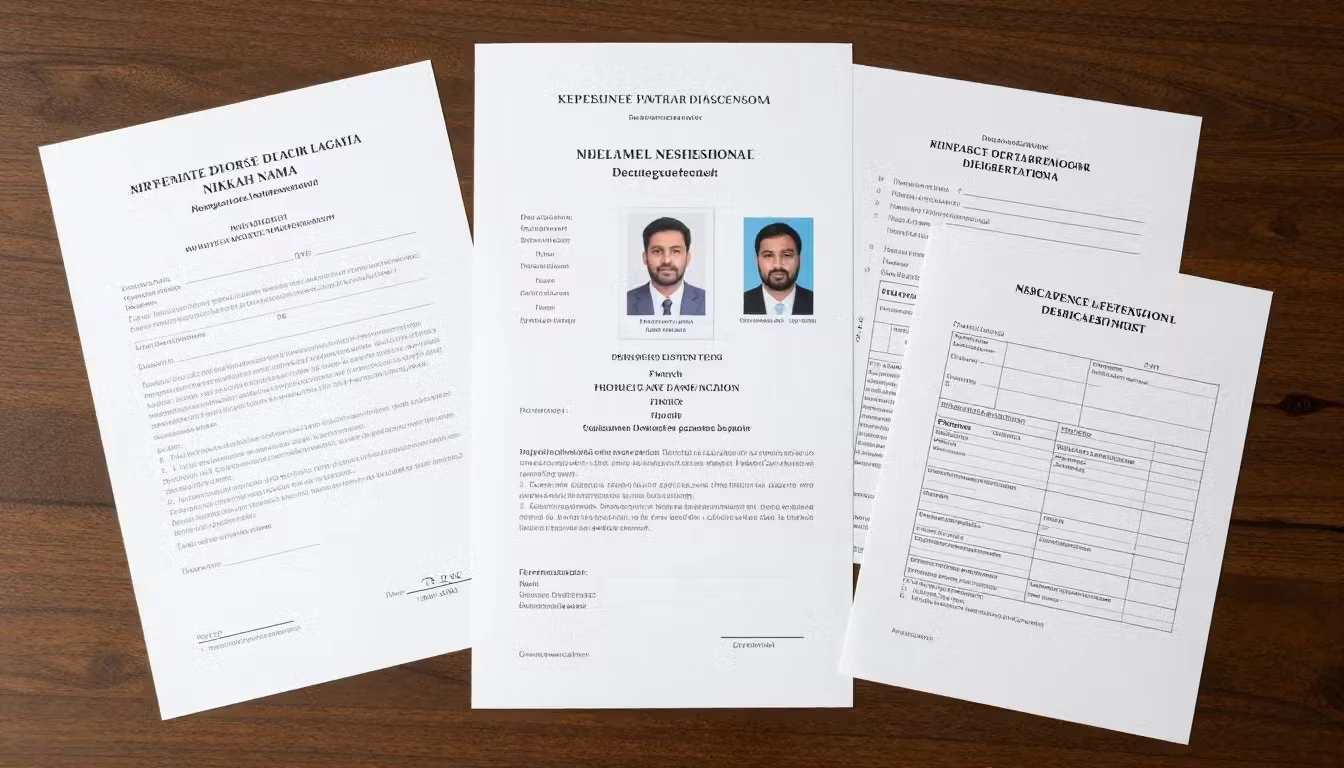
The Role of a Divorce lawyer:
Divorce lawyers are legal professionals that specialize in issues concerning legal separation, such as divorce, annulment, and dissolution. Most of them are family law experts that focus on different issues associated with family and marriage, such as adoptions and wills. Couples who are going through the legal separation process are advised to maintain a lawyer that is highly knowledgeable with this procedure to protect their legal rights and possibly arrive at an amicable settlement.
The primary duty of a divorce lawyer is to process the divorce papers after being hired by any of the parties involved in the divorce. There are some cases when a couple agrees to get a divorce and, in this situation, they may approach a particular lawyer jointly to request legal advice and assistance. However, in a contentious divorce, the lawyer is consulted by only one party. After the party requesting for the divorce writes and signs the petition, this can now be served to the other spouse.
Get recommendations from friends and family
You should always hire a divorce attorney that practices in the county you live in. If you have friends and family who have been through a divorce, they likely have divorce lawyer recommendations. You must trust and follow the attorney’s advice also
Do your research
The relationship between a client and an attorney is closer than many people realize. To protect you and your children, your attorney will need to know many details of your life. There are several online resources aimed at helping people find legal counsel. Once you find an attorney in your area, visit the attorney’s website for more information about their practice. The attorney you choose should have extensive experience in family law including divorces and child custody. Pay attention to whether or not your attorney handles the following:
- Mediated Settlement agreements
- Child custody
- Child visitation
- Spousal support or spousal maintenance
- Child support
- Property division
Prepare for your meeting
Once your consultation is scheduled, you should begin preparing for your meeting. During your consultation, you should be prepared to fill out paperwork describing your case and be ready to answer questions about your situation
Meet with your attorney
When you meet with your attorney it’s important to pay attention to how they treat you and how they treat their staff. In addition, pay attention to their confidence when they answer your questions. Their comfort with the law will indicate just how knowledgeable they are. Further, the attorney should be able to articulate a plan of action to start or move forward with your case.
Tips for working with a divorce lawyer
To make the task easy for the divorce lawyer you need to consider some tips. Some of these tips include:
Don’t lie: This is probably the major mistake you should avoid making. Some people try to hide their property and lie to their lawyers. This is wrong as it makes the lawyer present inaccurate information in court. In the event the judge knows that you are hiding information, your image will be in a bad light which jeopardizes your chances of getting a favorable hearing.
Choosing a cheap lawyer: To save money, some people want the cheapest lawyer that they come across. You should note that cheap lawyers are usually inexperienced. Due to this, they don’t have the expertise to handle the process professionally. This increases your chances of losing the case.
Benefits of hiring a divorce lawyer
When you hire a lawyer, he/she will help you in many areas. Some of these areas include:
Filing the paperwork: If you decide to go the court way, you will be required to fill in plenty of paperwork, and this can be intimidating to you especially if it’s the first time you are doing it. You should note that the judge relies heavily on the papers you present in court; therefore, it’s paramount that you fill them accurately and at the right time. If you omit any crucial information, the court might deem you in-genuine which can be fatal in your case.
A divorce lawyer has been involved in numerous similar scenarios; thus he/she will have an easy time filling in the papers and presenting them in court.
Objective advice: Divorce is usually an emotional time. During this time, you feel sad, betrayed, depressed, confused, and vengeful. When you are having all these emotions, it’s difficult to make a sound decision. To give yourself time to work on your emotions, hire a family lawyer to handle your case. The professional will remove the burden off your shoulders. When you have to communicate with your ex, the lawyer will guide you on what to say and what to avoid. The professional will also guide you on how to handle yourself in court.
Conclusion:
For Divorce, Probate, Judgments, or Any Type of Court Case. Get Results Fast. Find The Information You Need Quick. Call Today And Speak With One Of Our Support Reps. Open 7 Days And Evenings. Superior Customer Service. All Searches Confidential. Call Now For A Free
Choosing Legal Representation FAQs
These questions address practical preparation and documentation. Advice on a particular matter requires review of the relevant records, applicable law and any existing proceedings.
How Can I Assess A Divorce Lawyer’s Relevant Experience?
Ask about work involving the proposed legal route, court and issues in your case. Evaluate the explanation and proposed scope instead of relying solely on promotional labels or promises.
What Should I Prepare Before The First Meeting?
Bring the marriage record, identity documents, existing notices and orders, and a short chronology. List urgent dates and questions so the consultation can address the decisions that matter.
Should I Choose Solely On The Lowest Quotation?
Compare what each quotation covers, including drafting, hearings and later follow-up. Request separate treatment of official expenses and clarify exclusions before choosing an advocate.
What Does A Clear Engagement Arrangement Explain?
It identifies the responsible lawyer, agreed work, fees, communication method and client obligations. Ask how additional work will be authorized and how copies and progress updates will be provided.
Can A Lawyer Guarantee The Outcome?
Court decisions depend on law, evidence and procedure. A useful assessment explains strengths and uncertainties; an unconditional promise of success is not a substitute for reasoned advice.
Should I Ask Who Will Attend Hearings?
Clarify who is responsible for preparation and appearance, including arrangements if another advocate attends. Knowing the team and contact person helps maintain accurate instructions and updates.
How Should Confidential Documents Be Handled?
Confirm the intended recipient and submission method, keep copies, and obtain acknowledgment for originals. Ask how documents will be used and returned when they are no longer required.
What If I Want To Change Lawyers During A Case?
Obtain the case papers, next hearing details and current orders. Discuss the proper transition and outstanding engagement obligations before assuming that responsibility has moved to a new advocate.
Which Questions Help Evaluate A Proposed Strategy?
Ask what relief is available, what must be proved, which records are missing and what happens next. The answer should relate to your facts rather than a generic divorce timetable.
How Can I Keep Representation Efficient?
Provide accurate instructions promptly, preserve relevant records and track agreed tasks. Report new notices or changed circumstances without delay and keep communications organized by date.